

Traveling is one of life’s most rewarding experiences, allowing you to explore new places, cultures, and create lasting memories. However, as tourism grows, so does its environmental impact. From carbon emissions to over-tourism, the travel industry’s footprint is becoming harder to ignore.
Fortunately, sustainable travel is on the rise, allowing travelers to explore the world with purpose while minimizing their impact on the environment and supporting local communities. In this ultimate guide to sustainable travel, we’ll explore practical ways to make your next adventure more eco-friendly and responsible.
What is Sustainable Travel?
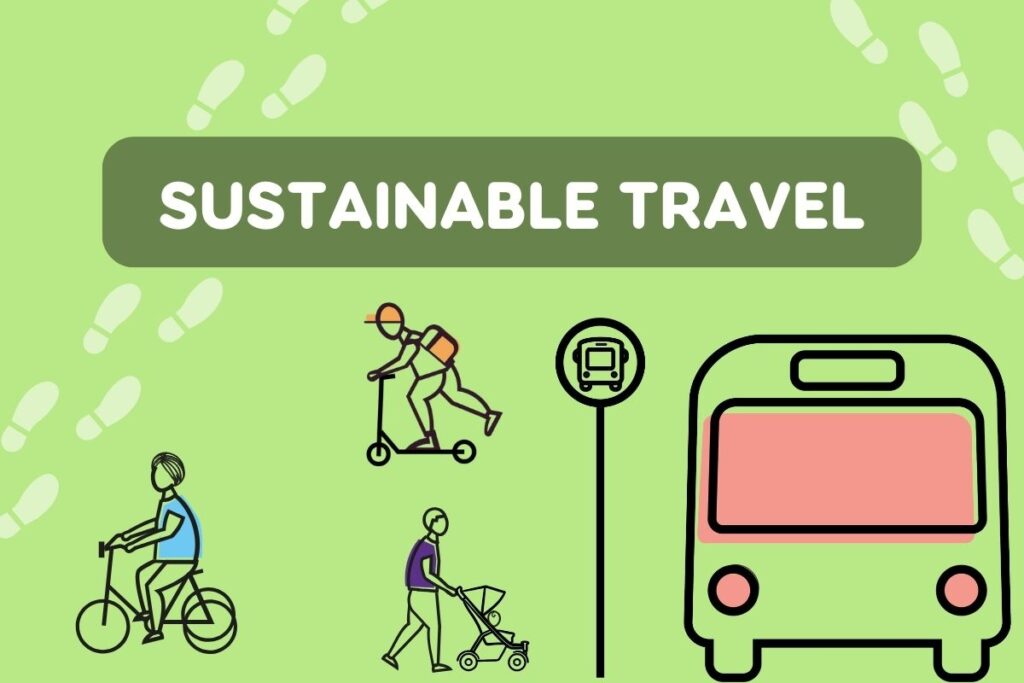
Sustainable travel refers to tourism that minimizes environmental damage, supports local economies, and ensures that future generations can continue to enjoy the world’s natural beauty. It’s about making conscious choices that respect the environment, protect cultural heritage, and ensure that local communities benefit from tourism. Sustainable travel is not just about reducing your carbon footprint; it also involves making mindful decisions about where you go, how you get there, where you stay, and what activities you engage in during your travels.
Why Sustainable Travel Matters
The global tourism industry is one of the largest in the world, and it has a significant environmental impact. According to the United Nations World Tourism Organization (UNWTO), tourism accounts for about 8% of global greenhouse gas emissions. As the world’s population grows and more people are traveling, these impacts will continue to rise unless travelers, businesses, and governments take action.
Sustainable travel addresses these challenges by promoting responsible tourism practices that reduce the negative effects of travel and contribute to the long-term health of the planet. By choosing sustainable options, you help reduce carbon emissions, conserve wildlife, preserve natural resources, and contribute to local communities’ economic growth.
1. Choose Eco-Friendly Transportation

One of the most significant ways to reduce your environmental impact while traveling is by considering your mode of transportation. Air travel is responsible for a large portion of global carbon emissions, but there are ways to minimize your carbon footprint even when flying.
- Opt for Direct Flights: Direct flights tend to produce fewer emissions than connecting flights because they reduce the time spent in the air.
- Travel by Train or Bus: Whenever possible, consider taking a train or bus instead of flying or driving. Trains and buses typically have a lower environmental impact than airplanes and cars.
- Use Public Transportation: Once you arrive at your destination, make use of public transportation like buses, trams, or subways instead of taxis or rental cars. This helps reduce the number of private vehicles on the road and lowers your carbon footprint.
Many airlines are also working to reduce their environmental impact by investing in more fuel-efficient aircraft and offering carbon offset programs. If flying is unavoidable, consider participating in these programs to offset your emissions by contributing to environmental projects that reduce carbon dioxide in the atmosphere.
2. Support Eco-Friendly Accommodations
The hospitality industry plays a significant role in sustainable tourism, and many hotels and accommodations have adopted eco-friendly practices to reduce their environmental impact. When booking your stay, look for accommodations that are committed to sustainability through energy-efficient practices, waste reduction, and eco-friendly amenities.
- Green Certifications: Look for hotels and lodgings with green certifications such as EarthCheck, Green Key, or Green Globe. These certifications indicate that the accommodation adheres to environmentally responsible practices.
- Stay in Eco-Lodges: Eco-lodges are built with sustainable materials, use renewable energy sources, and often have a minimal environmental footprint. Staying in eco-friendly lodges supports businesses that prioritize environmental responsibility.
- Opt for Homestays: If you want a more authentic and sustainable experience, consider staying with locals through platforms like Airbnb or Couchsurfing. Homestays help boost local economies, reduce the impact of large-scale tourism, and provide a more personal connection to the culture.
By choosing sustainable accommodations, you not only reduce your environmental impact but also support businesses that prioritize eco-friendly practices and community involvement.
3. Minimize Waste During Your Trip

Waste management is a significant issue in popular tourist destinations, where an influx of visitors often leads to excessive waste, particularly plastic. As a responsible traveler, it’s important to reduce waste and minimize your consumption of single-use plastic items.
- Bring Reusable Items: Pack reusable items such as a water bottle, shopping bag, and utensils to avoid relying on disposable plastics. Many destinations now offer refill stations for water bottles, so you can stay hydrated without purchasing single-use plastic bottles.
- Say No to Plastic Straws: Many restaurants and cafes offer plastic straws by default, so make sure to request a paper or metal straw, or simply enjoy your drink without one.
- Support Zero-Waste Businesses: When shopping or dining, support local businesses that prioritize zero-waste practices. Look for restaurants that use biodegradable packaging or shops that offer products with minimal plastic packaging.
By reducing your waste during your travels, you help reduce the environmental strain caused by tourism and encourage businesses to adopt more sustainable practices.
4. Choose Responsible Activities
The activities you choose during your trip can have a significant impact on the local environment and communities. Many popular tourist activities, such as wildlife tours, hiking, or visiting natural parks, can contribute to environmental degradation if not done responsibly. To ensure that your activities are sustainable, follow these guidelines:
- Respect Wildlife: Never engage in activities that harm or exploit wildlife, such as riding elephants, holding exotic animals for photos, or disturbing their natural habitats. Instead, look for ethical wildlife experiences like responsible safaris, bird watching, or visits to wildlife sanctuaries that prioritize animal welfare.
- Leave No Trace: If you’re hiking, camping, or exploring natural areas, make sure to follow Leave No Trace principles. This includes packing out all of your trash, staying on marked trails, and respecting wildlife and plant life.
- Support Local Experiences: Instead of engaging in mass-market tourism, consider supporting local businesses by choosing experiences that showcase the destination’s culture and history. Opt for guided tours led by local guides, visit locally-owned shops, and try traditional food from local restaurants.
By choosing responsible activities, you contribute to the preservation of natural spaces and support the well-being of local communities.
5. Travel Off the Beaten Path
Over-tourism is a growing concern in many popular destinations, leading to environmental damage and overcrowding. By opting to travel to lesser-known locations, you can help alleviate the pressure on over-crowded tourist spots and experience destinations that may be even more rewarding.
- Explore Lesser-Known Destinations: Instead of visiting the same popular tourist spots, explore smaller cities, towns, or regions that are off the beaten path. These areas often offer a more authentic experience and are less impacted by mass tourism.
- Travel in the Off-Season: Consider traveling during the shoulder seasons, when destinations are less crowded, and you can enjoy a more peaceful experience while also reducing the strain on local infrastructure.
By venturing off the beaten path, you can reduce the negative impacts of over-tourism and discover hidden gems that are equally, if not more, beautiful than well-known destinations.
Sustainable travel is about making mindful decisions that prioritize the planet, local communities, and future generations. By adopting eco-friendly transportation options, supporting sustainable accommodations, reducing waste, choosing responsible activities, and exploring off-the-beaten-path destinations, you can make a significant positive impact while traveling. Sustainable travel allows you to explore the world with purpose, and in doing so, you help protect the places you love and ensure they remain beautiful for years to come. Let 2025 be the year you embark on meaningful journeys that not only enrich your life but also contribute to the well-being of the planet.