
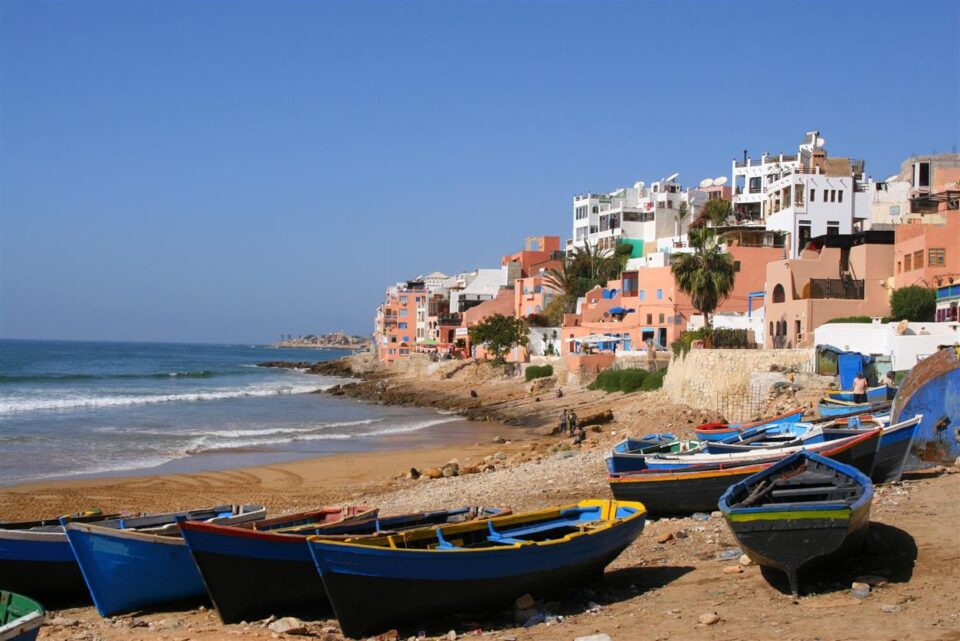
Some places hum quietly instead of shouting for attention. Nador, on Morocco’s northeast coast, is one of them. It sits beside the Spanish enclave of Melilla, brushed by the Mediterranean, shaped by Berber roots, and fed by the sea. Nothing about it feels staged. The beaches are wide, the food honest, the pace unhurried. Travelling there by ferry with Ferryhopper feels less like transport and more like slipping into a slower rhythm that modern life rarely allows.
Quick Take: Why Nador Stays with You
- The Real Morocco – Nador keeps its local soul intact. Expect open markets, laughter, and slow afternoons.
- Ferries Made Easy – Regular crossings from Almería, Motril, and Barcelona make arrival smooth and flexible.
- Space to Breathe – Saïdia Beach and Charrana Bay stay blissfully calm, even in summer.
- Seafood at Its Best – Fresh sardines, spicy tagines, and mint tea brewed by the sea are part of the charm.
- One-Stop Booking – Ferryhopper gathers every major route and ticket in one clear system.
See every sailing on Ferryhopper.
Arriving by Sea
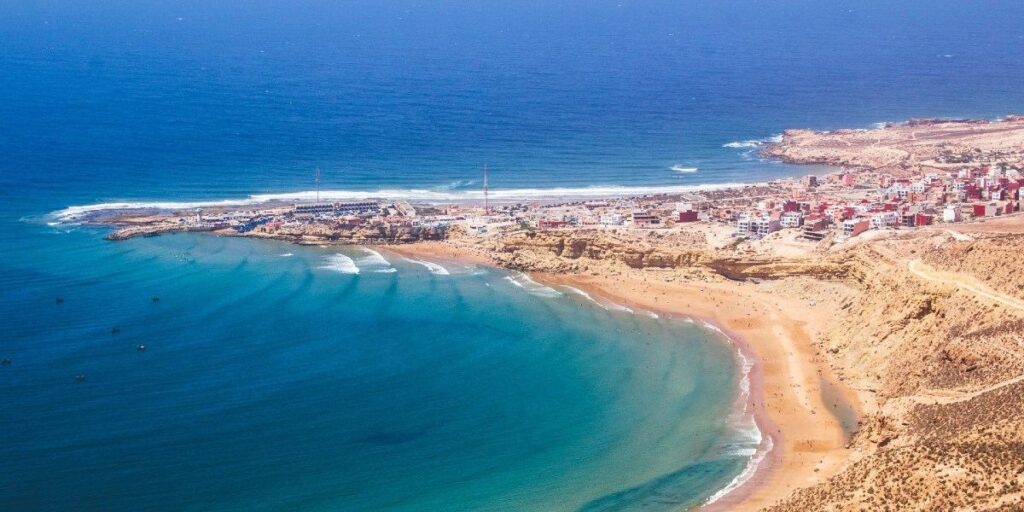
The first view of Nador comes slowly. From the deck you can see the Rif Mountains fading into morning haze. The trip across the Alboran Sea is gentle, the kind that invites you to watch the water change colour as you edge closer to Africa. Booking through Ferryhopper keeps the process simple. Their site lists lines such as Grandi Navi Veloci, Balearia, and Naviera Armas, each offering clean cabins, steady service, and decent meals. You step off rested, not rushed.
The City Beyond the Harbour
Nador doesn’t demand admiration; it earns it over time. You notice fishermen mending nets, the scent of cumin from a nearby stall, the chatter of schoolchildren in two languages. Walk toward Marchica Lagoon at sunset when the light turns the water pink, or get lost in the old souks where copper, fabric, and spice mix in the air. Every encounter feels personal. People greet you without selling you something first, which in itself feels rare.
Where to Stay and Wander
Hotels near the Corniche overlook the sea, while riads inland bring warm tilework and quiet courtyards. Many travellers spend a night before heading toward Fez or Oujda, though the city rewards those who linger. A drive east leads to Saïdia’s long strand of sand, while Cap de l’Eau hides rocky coves ideal for a swim. If you crave a break from the coast, the Beni Snassen Mountains rise just inland, dotted with olive trees and viewpoints over the Mediterranean.
Food, Culture, and Everyday Joy
Meals here are simple, sometimes eaten with your hands, always full of flavour. The port cafés serve calamari still tasting of saltwater, and small restaurants along the promenade grill sardines over charcoal while the smoke drifts across the road. Families stroll after dinner, children clutching ice creams, and someone always has a radio playing an old Arabic love song.
There’s also a quiet café scene emerging. Order espresso in a place where Spanish and Arabic blend easily, a reflection of Nador’s layered past. Evenings tend to slow into conversation rather than nightlife. It’s Morocco without performance, where small gestures matter more than spectacles.
Planning the Trip with Ferryhopper
Booking a ferry through Ferryhopper takes minutes. Their comparison tool shows times, prices, and whether each line accepts cars or pets. Crossings run year-round, with extra departures in summer. Overnight routes include private cabins, ideal if you want to wake up already in Morocco.
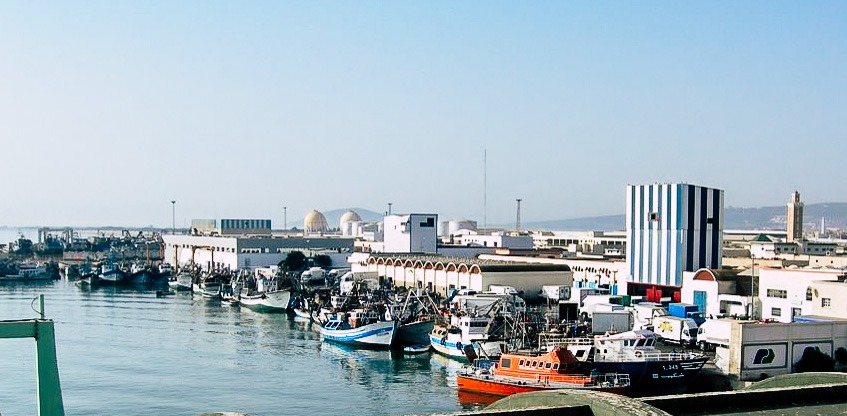
The ferry terminal lies only a short ride from the city centre. Taxis and shared vans wait outside, and roads heading south are smooth for onward travel. Many visitors pair Nador with a road trip to the blue city of Chefchaouen or down to Fez. Having your car with you makes that effortless, and Ferryhopper helps you book that option directly.
FAQs
How long does the ferry take?
Sailings from southern Spain last around 6–9 hours. Longer routes from France can stretch up to a day and a half.
Is a visa needed?
UK and most EU citizens can enter Morocco without a visa for stays up to 90 days. Always confirm before travelling.
Is Nador safe?
Yes. It’s a working port city with everyday bustle, but visitors generally find it welcoming and calm.
Can vehicles board the ferry?
Yes, most lines accept cars, motorbikes, and camper vans. It’s perfect for exploring Morocco by road.
Best time to go?
Late spring and early autumn bring warm days, light crowds, and softer sunlight.
A Journey That Teaches You to Slow Down
Travelling to Nador with Ferryhopper feels like rediscovering what journeys used to be—slow, sensory, and a little unpredictable. The crossing lets you watch one continent fade while another appears, reminding you that travel is still about movement, not just arrival. Nador doesn’t perform for visitors; it welcomes them quietly. It’s a place where time stretches, the sea hums low, and you remember why the long route is sometimes the best one.