

When you take a bite of a perfectly seared steak, enjoy a bowl of rich miso soup, or savor a slice of aged Parmesan, you may not realize that what makes these foods so irresistible is a taste called umami. Often described as savory or meaty, umami is one of the five basic tastes, alongside sweet, sour, salty, and bitter. But what exactly is umami, and why does it make certain foods so satisfying? Let’s explore the science behind umami and how you can incorporate more of it into your meals.
What Is Umami?
The term umami comes from the Japanese word meaning “pleasant savory taste.” It was first identified by Japanese scientist Kikunae Ikeda in 1908, when he discovered that the amino acid glutamate was responsible for the deeply satisfying taste found in foods like seaweed broth. Later, researchers found that other compounds, such as inosinate and guanylate, also contribute to umami flavor.
Unlike other tastes, umami has a long-lasting and mouth-coating sensation that enhances the overall depth of a dish. It is often described as rich, brothy, and full-bodied, making it a key component in many of the world’s most beloved dishes.
The Science Behind Umami
Our taste buds contain specialized receptors that detect umami compounds, specifically L-glutamate, which is a naturally occurring amino acid found in protein-rich foods. When glutamate binds to these receptors, it signals to our brain that we are consuming protein—a crucial nutrient for survival.
This is why umami is often associated with comfort foods and why it leaves us craving more. Foods high in umami stimulate saliva production, which enhances flavors and makes food more enjoyable. Additionally, umami works synergistically with other tastes, intensifying the overall flavor experience.
Foods Rich in Umami
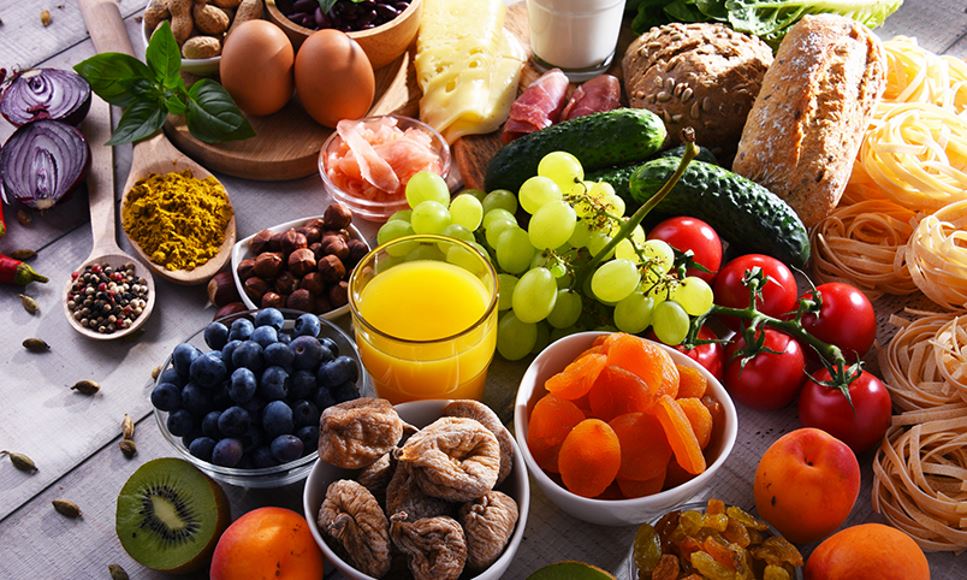
Many natural and fermented foods are packed with umami, making them great additions to your diet. Here are some of the top umami-rich foods:
- Mushrooms – Especially shiitake and porcini, which contain high levels of guanylate.
- Aged Cheeses – Parmesan, cheddar, and Gouda develop strong umami flavors over time.
- Soy Sauce & Miso – Fermented soy products are loaded with glutamate.
- Tomatoes – Sun-dried and roasted tomatoes have intensified umami flavors.
- Seaweed & Kelp – A natural source of glutamate, commonly used in broths.
- Fermented Foods – Kimchi, fish sauce, and Worcestershire sauce are umami powerhouses.
- Meats & Seafood – Beef, pork, anchovies, and shellfish are naturally rich in inosinate.
How to Incorporate Umami into Everyday Meals
Enhancing the umami in your dishes doesn’t require fancy ingredients—simple adjustments can elevate the flavor profile of your meals:
- Use Fermented Sauces – A splash of soy sauce, fish sauce, or Worcestershire sauce can add depth to soups, stir-fries, and marinades.
- Roast or Slow-Cook Foods – Cooking methods like roasting and braising help develop umami flavors by breaking down proteins.
- Add Mushrooms – Incorporate shiitake mushrooms into pasta, risottos, and omelets for a boost of umami.
- Sprinkle Parmesan – Grating aged cheese over pasta, salads, or roasted vegetables enhances their natural flavors.
- Experiment with Miso – Use miso paste in soups, dressings, or even mashed potatoes for a subtle umami punch.
- Combine Umami Ingredients – Mixing umami-rich foods, like tomatoes and anchovies in pasta sauce, amplifies their flavor.
Conclusion
Umami is more than just a taste—it’s a flavor enhancer that makes food more enjoyable and satisfying. Understanding the science behind umami can help you make smarter choices when cooking and eating, allowing you to create deeper, more complex flavors in your meals. By incorporating umami-rich ingredients into your diet, you can elevate everyday dishes and enjoy the mouthwatering satisfaction that comes with this unique taste.
So the next time you find yourself savoring a rich bowl of ramen or a cheesy pasta dish, remember—it’s the magic of umami at work!