
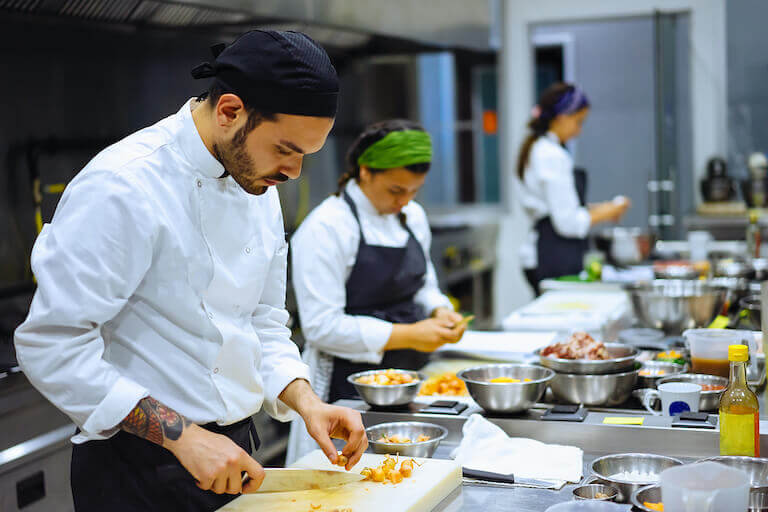
The professional kitchen is a high-energy, fast-paced environment where passion and precision come together to create incredible dishes. However, stepping into this world as a young chef can be both exhilarating and overwhelming. Beyond mastering cooking techniques, success in the kitchen depends on mindset, discipline, and teamwork.
To help you navigate the challenges of a professional kitchen, we’ve compiled ten essential tips that will set you up for success. These insights, inspired by industry experts and seasoned chefs, will help you develop the skills and habits needed to thrive in a high-pressure culinary setting.
1. Arrive Early and Be Prepared
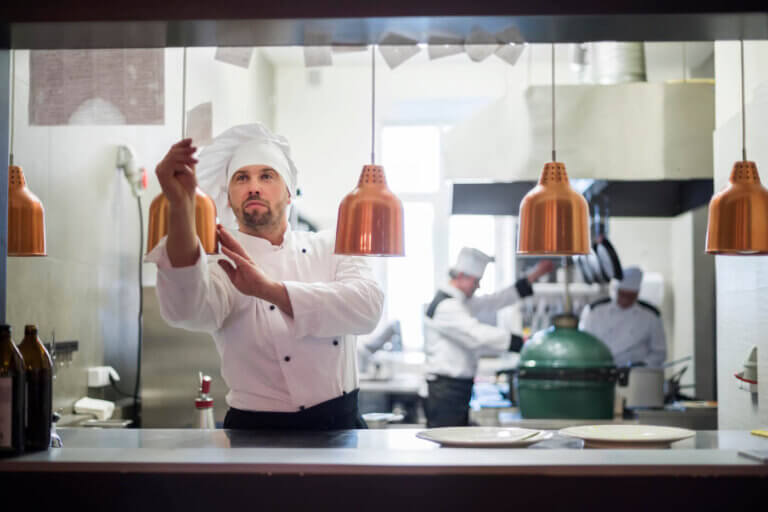
Great chefs don’t just show up—they prepare. Arriving early allows you to set up your station, organize your tools, and mentally prepare for the shift ahead. Walking into the kitchen last minute can throw off your rhythm and stress the entire team. Being punctual shows dedication and respect for your colleagues, making a positive first impression in any kitchen.
2. Master Mise en Place
The French term “mise en place,” meaning “everything in its place,” is the foundation of kitchen efficiency. Before service begins, have all your ingredients prepped and organized. This minimizes mistakes, speeds up cooking, and ensures you can focus on execution rather than scrambling for missing ingredients.
3. Respect the Kitchen Hierarchy
Kitchens operate like finely tuned machines, where every role matters. From dishwashers to executive chefs, teamwork is essential. Follow instructions, communicate effectively, and acknowledge the contributions of everyone around you. A simple “Yes, Chef!” when given direction shows professionalism and keeps the operation running smoothly.
4. Ask Questions When in Doubt
No chef knows everything from day one. Instead of guessing, ask questions to clarify tasks and techniques. This prevents costly mistakes and demonstrates your willingness to learn. A well-phrased question, such as “Would you like these onions diced or julienned?” shows attention to detail and initiative.
5. Stay Cool Under Pressure
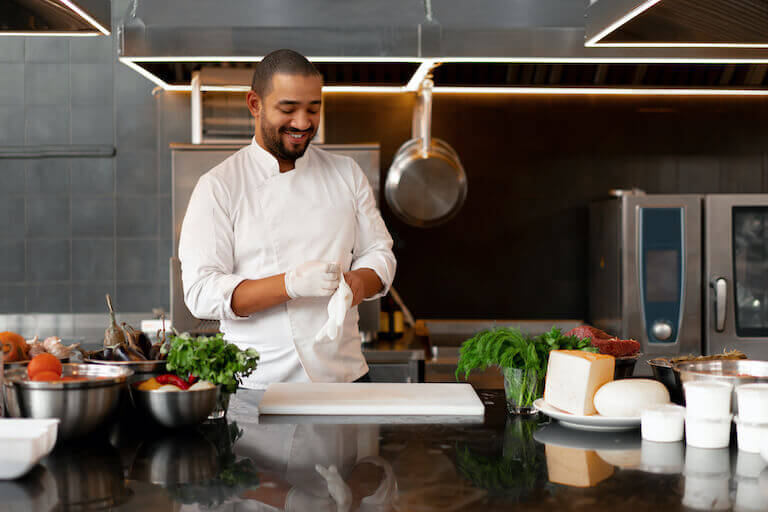
The kitchen can be intense, but keeping your composure is key. When things get hectic, take a deep breath and focus on the task at hand. Separate constructive criticism from personal attacks, and use feedback to improve. Developing a calm and focused mindset will help you earn respect and maintain efficiency during busy service hours.
6. Keep Your Workstation Spotless
Cleanliness is non-negotiable in a professional kitchen. A tidy station ensures efficiency, prevents accidents, and upholds food safety standards. Make a habit of cleaning as you go—wipe surfaces, discard waste, and return tools to their proper places. A clean kitchen is a productive and professional one.
7. Manage Time Effectively
Time is everything in the kitchen. Learn how long each task takes and plan accordingly. For example, start simmering a sauce before chopping vegetables to ensure everything is ready at the right moment. Developing a mental timer and prioritizing tasks will help you work seamlessly within the team.
8. Communicate Clearly and Often
Effective communication keeps the kitchen running smoothly. Alert team members if you’re running behind or need assistance. Use concise kitchen lingo—phrases like “Behind!” and “Coming through!” prevent accidents and misunderstandings. Clear communication ensures a more efficient and harmonious workflow.
9. Take Initiative and Anticipate Needs
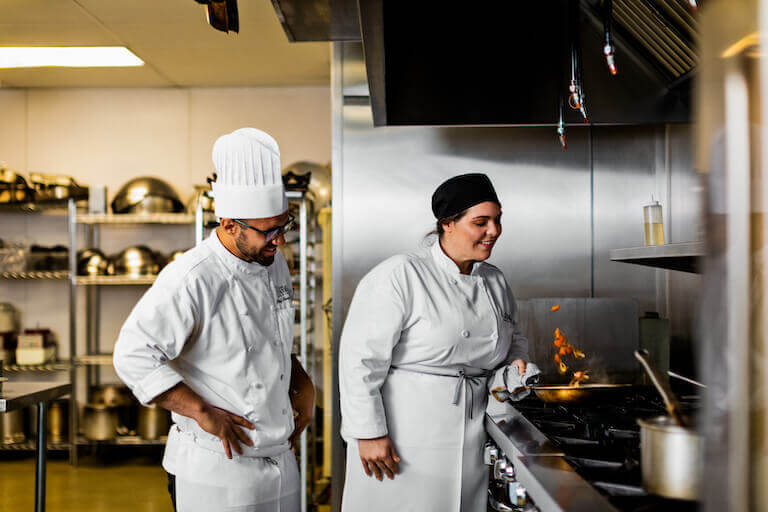
Great chefs don’t just follow orders—they anticipate what’s needed before being asked. Notice when a teammate is falling behind and offer help. Keep ingredients stocked and be proactive about keeping the flow of service smooth. Demonstrating initiative proves your value to the team and helps operations run efficiently.
10. Maintain a Positive Attitude
A good attitude can set you apart in the kitchen. Approach challenges with a problem-solving mindset rather than frustration. A calm and positive demeanor not only makes your shift more enjoyable but also encourages teamwork and productivity. Being adaptable and optimistic will help you build a strong reputation in the industry.
Final Thoughts
Success in the kitchen goes beyond just cooking skills—it’s about discipline, teamwork, and the ability to handle pressure with confidence. By incorporating these essential habits into your routine, you’ll set yourself up for a rewarding career in the culinary world. Stay organized, communicate effectively, and always be eager to learn. With the right mindset, you’ll thrive in any professional kitchen!