
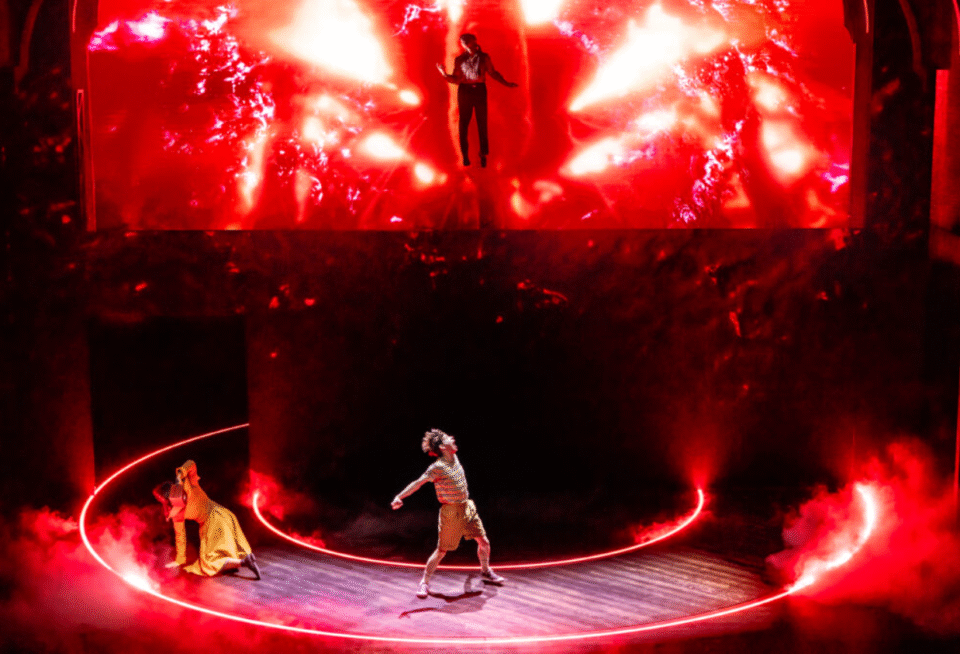
Before the rift opened, before the lights flickered, and long before Eleven’s powers were unleashed, Hawkins had a story of its own. Stranger Things: The First Shadow invites audiences into that hidden chapter. Set in 1959, this Broadway prequel delivers a theatrical experience that feels both familiar and entirely new, weaving the supernatural origins of Hawkins with the pulse of human emotion. It captures the spirit of the global phenomenon while transforming it into a groundbreaking stage production that balances psychological depth with visual innovation.
TL;DR
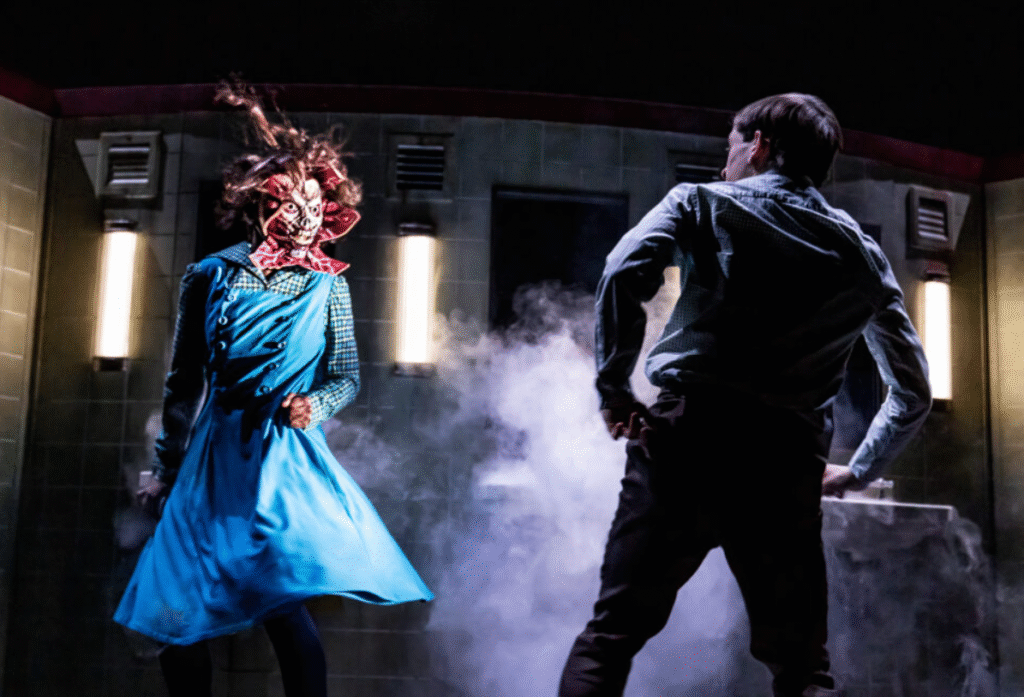
Stranger Things: The First Shadow pulls viewers deep into the roots of Hawkins with a gripping narrative, jaw-dropping stagecraft, and performances that blend nostalgia with discovery. The show uncovers how darkness first crept into the town, revealing the events that shaped everything fans know from the original series. It’s a production that transcends adaptation, merging television storytelling with the intimacy and awe of live theatre.
A Return to Hawkins Before the Darkness
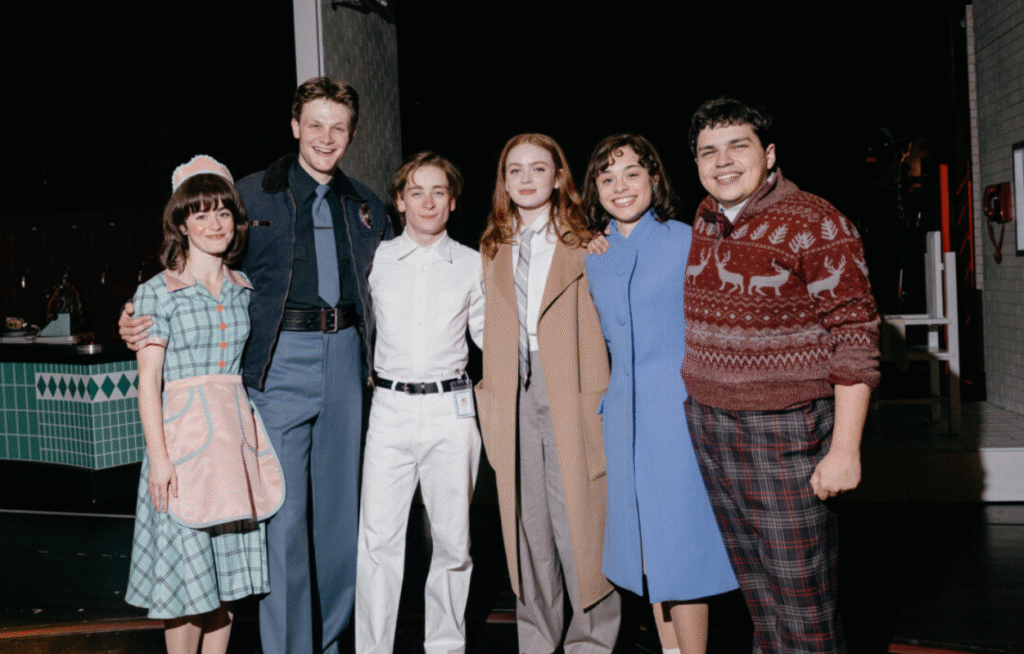
In 1959, Hawkins was still a quiet, unassuming town, untouched by the chaos that would later consume it. Beneath that calm surface, however, strange things were already stirring. Audiences meet younger versions of Jim Hopper, Joyce Maldonado, and Bob Newby, each navigating the trials of adolescence in a world just beginning to fracture. A new figure emerges in Henry Creel, a boy whose haunting presence and mysterious powers slowly reveal the origins of the Upside Down. The production paints Hawkins not as a place of safety but as a community sitting on the edge of something vast, dangerous, and inevitable.
Inside the Creative Vision
The production is written by Kate Trefry, a longtime writer from the Stranger Things series, ensuring the tone and mythology align with the established universe. Director Stephen Daldry brings cinematic flair to the stage, crafting a production that feels alive, kinetic, and emotionally charged. Co-director Justin Martin complements that energy with precision, pacing, and heart. Scenic designer Miriam Buether turns the stage into an ever-changing world, one that bends reality through illusions, lighting, and perspective. The creative team, including lighting designer Jon Clark and sound designer Paul Arditti, uses every technical tool available to deliver a production that merges film-quality spectacle with the raw immediacy of live performance.
What Audiences Can Expect
- A thrilling story that uncovers the supernatural roots of Hawkins and the birth of the darkness that defines the Stranger Things universe.
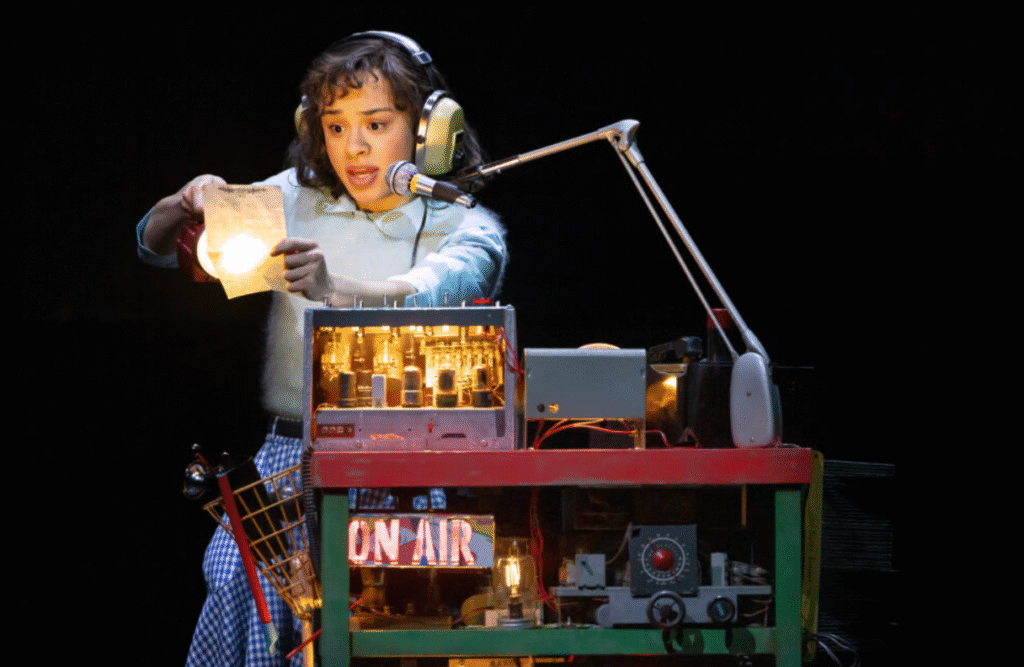
- Immersive visuals that pull the audience into shifting realities through dynamic sets, lighting, and special effects.
- Strong performances that balance high emotion with mystery, giving depth to both new and familiar characters.
- The intensity of the experience, enhanced by powerful sound design, light bursts, and moments of cinematic scale that feel larger than the stage itself.
- A reminder that the magic of storytelling lies not just in spectacle, but in how human connection grounds the extraordinary.
The Evolution of a Cultural Phenomenon
What makes The First Shadow so striking is its ability to stand on its own. Fans of the original series will recognize the seeds of future events, but newcomers can enter the world without prior knowledge. It is both an expansion and a reinvention, one that proves theatrical storytelling can carry the same tension, heart, and visual wonder as modern television. Instead of mimicking the show, the production dives deeper into its emotional core, exploring the fears, loneliness, and quiet acts of courage that shape its characters. The creative team captures the eerie tone of the original while using practical effects and live performance to create something more immediate and tactile. Every shadow, sound, and flicker of light carries the weight of anticipation, reminding the audience that some stories are meant to be felt in real time.
Where Nostalgia Meets Innovation
The beauty of Stranger Things: The First Shadow lies in its duality. It is at once nostalgic and fresh, familiar yet unpredictable. The play honors what fans love while refusing to rely solely on recognition. Instead, it pushes forward, using its theatrical medium to do what television never could. Scenes unfold in real space, with illusions happening before the audience’s eyes, giving them a sense of shared discovery that only live theatre can provide. The narrative reflects universal themes of belonging, fear, and transformation, grounding the fantasy in human emotion. It’s this blend of technical artistry and emotional truth that makes the production more than just a franchise expansion, it’s an evolution of how stories can be told.
A Powerful Step Forward for Broadway
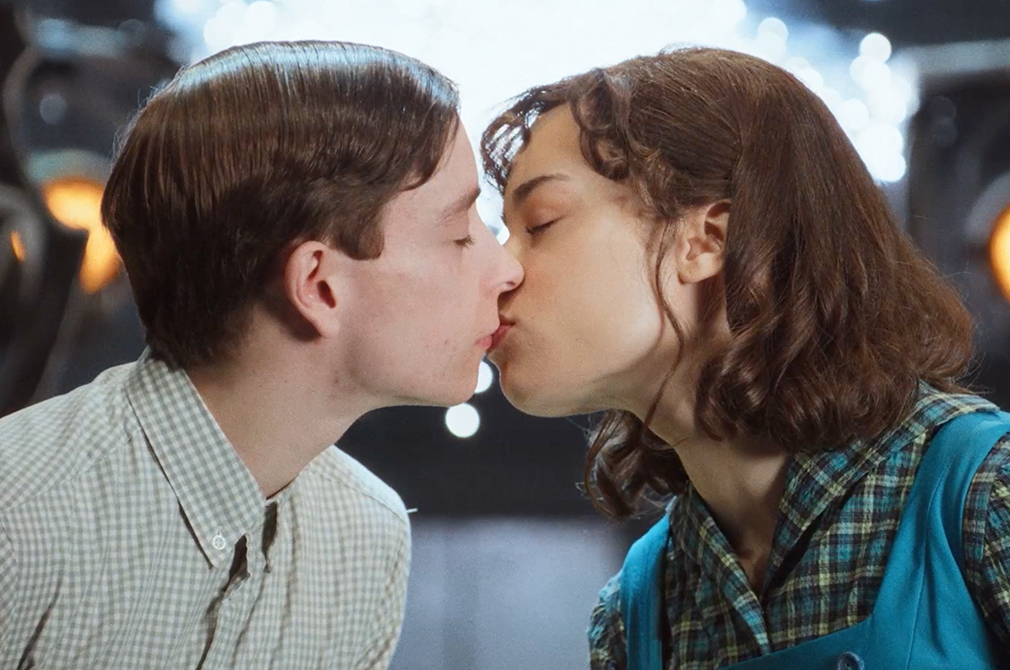
In a landscape filled with adaptations and revivals, The First Shadow sets a new standard for what’s possible on stage. It combines the scale of cinematic storytelling with the intimacy of live acting, creating moments that are both visually breathtaking and deeply personal. Every design choice, from sound to lighting, serves the story’s emotional rhythm rather than overwhelming it. The result is a seamless integration of spectacle and sincerity. It’s a show that invites audiences to remember why they fell in love with the world of Hawkins, yet challenges them to see it through new eyes.
Final Reflection
Stranger Things: The First Shadow captures the thrill of discovery that defined the original series while building a theatrical identity all its own. It doesn’t simply adapt a familiar world; it reimagines it, reshaping the way audiences experience the intersection of horror, nostalgia, and heart. As the curtain falls and the echoes of Hawkins fade, what remains is not just the memory of a stunning performance, but the reminder that every story no matter how strange has a beginning worth exploring.