

Multi-pet homes create a quiet logistics problem: different ages, species and appetites sharing one kitchen, one schedule and sometimes one overly curious nose in another bowl. Adding a rescue or rotating a senior onto a new recipe multiplies the chaos unless you plan transitions, storage and feeding stations on purpose. A calmer household food system beats buying the loudest bag on the shelf.
Josera is a German family-run pet-food specialist that describes more than 80 years of experience producing dog, cat and horse nutrition, with super-premium recipes made in Germany and an in-house accredited laboratory narrative on its site. This English guide helps multi-pet households and new-rescue transitions shop Josera thoughtfully. It is not veterinary advice and does not invent feeding amounts or medical claims.
In this guide:
- Map each animal before you shop
- Transition a new rescue without drama
- Feeding stations that reduce theft
- Compare recipe roles
- A one-week household routine
1. Map Each Animal Before You Shop
List species, age band, weight range, known allergies, current stool quality and activity. Note who steals food and who grazes. Only then open josera.de (or the storefront available to you) to match life-stage and species categories. Multi-pet carts fail when one “family bag” is expected to suit a kitten and a large adult dog alike.
If any animal has a medical diet from a vet, that instruction wins over marketing pages. Bring the current ingredient list to appointments so swaps are informed.
2. Transition a New Rescue Without Drama
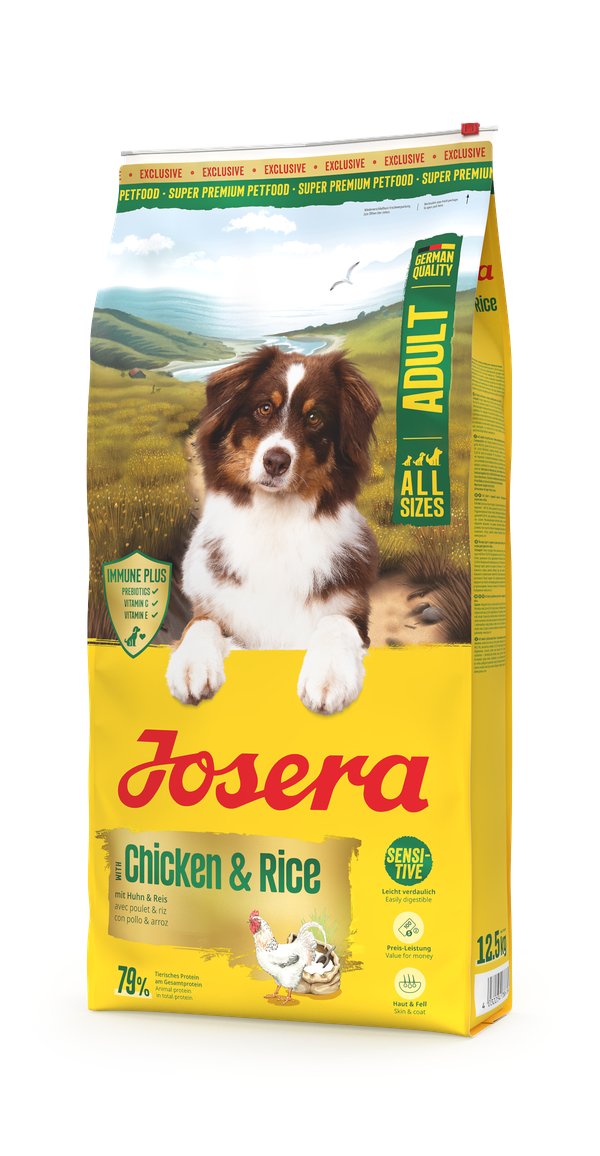
Rescues often arrive on an unknown or stress-compromised diet. Sudden full swaps invite GI upset that you then blame on the new brand. Plan a gradual mix over several days (or longer if the animal is fragile), keep the previous food on hand, and change one variable at a time—food before treats, treats before schedule. Record stool and appetite daily for two weeks.
Read Josera product pages for composition and feeding guidance as published, then confirm portions with your vet for underweight or recovering animals. Do not crowd-source dosages from comment sections.
3. Feeding Stations That Reduce Theft
Separate height, rooms or timed feeders beat hoping courtesy emerges. Cats elevated; dogs behind a gate; slow feeders for gulpers; measured scoops, not free-pour. Store bags sealed, labelled with open dates, and away from humidity. Multi-pet kitchens fail more from logistics than from recipe philosophy.
Wash bowls daily and keep water stations plentiful—competition for water is an underrated stressor when a new animal arrives.
4. Compare Recipe Roles
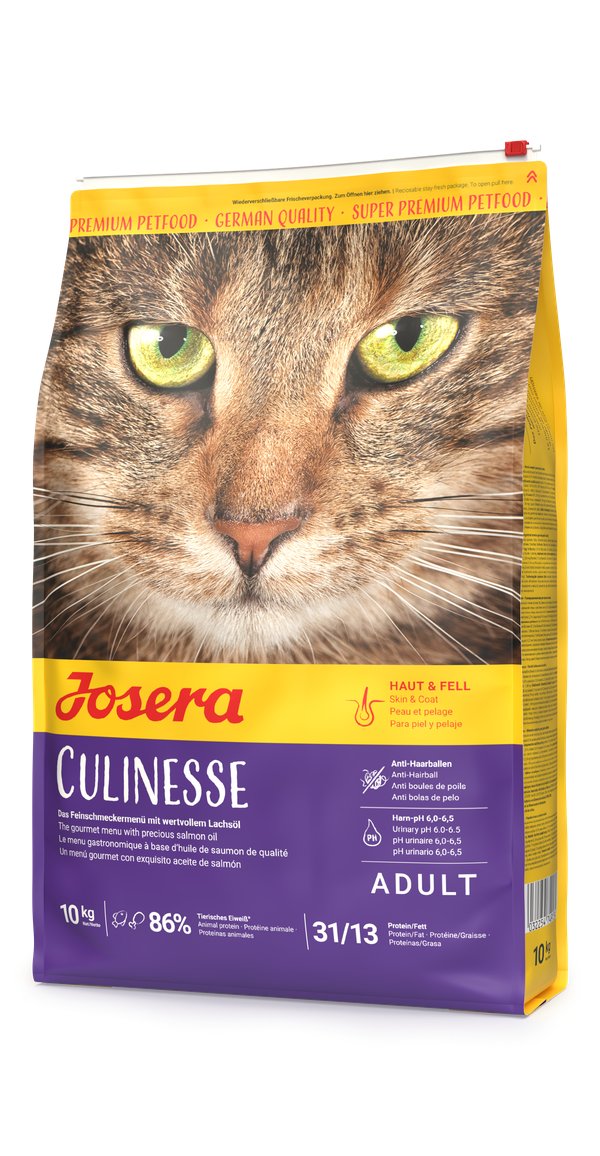
| Role | Typical use in a multi-pet home | Watch-outs |
|---|---|---|
| Adult maintenance dog recipe | Stable adult dogs with known digestion | Not automatically right for puppies or medical cases |
| Kitten / junior recipes | Growth stages with higher nutrient needs | Keep away from adult-only bowls if calories differ |
| Senior or lighter activity lines | Older pets with vet-aligned needs | Confirm with vet if kidney/weight issues exist |
| Specialist / sensitive lines | When a vet suggests a dietary direction | Transitions still need gradual mixing |
Shortlist one primary and one backup recipe per animal, then stop scrolling. Inventory sprawl creates expired half-bags.
5. A One-Week Household Routine
- Day 1: map animals; photograph current bags’ codes.
- Day 2: shortlist Josera products; check delivery and return terms for your country.
- Days 3–7: if transitioning, follow the gradual mix; log stool/appetite; adjust stations if theft appears.
- Weekend: weigh remaining food so re-order timing is calm, not emergency.
Compare current dog and cat assortments on Josera and treat every feeding table as a starting point for vet discussion when health is complex.
Shop Josera for Your Household
Keep a shared household note of who eats what and when the bag was opened. That note prevents the classic “I thought you bought the kitten food” argument.
Official product FAQs and vet guidance beat random social threads when a stool chart looks worrying.
If costs are shared among housemates, agree who reorders which bag so subscriptions do not double.
Promotions help after the animal map exists. A discounted bag that suits nobody is still waste.
When fostering, ask the rescue which food the animal already tolerates and buy continuity first.
Photograph lot codes on arrival in case quality questions arise later.
End the first fortnight with a vet check-in if the rescue’s history is thin—food is only one part of settling in.
New rescues often guard resources. Even if your resident pets are saints, feed the newcomer in a separate room for the first days and reintroduce shared spaces slowly. Food aggression is easier to prevent than to rehabilitate after a scare.
Label scoops with gram marks so every housemate pours the same amount. “About a cup” varies by adult and by morning caffeine level. Consistency helps you judge whether a Josera recipe agrees with an animal or whether portions simply drifted upward.
Cats in dog-heavy homes need escape routes to their bowls. A baby gate with a cat flap, or a bedroom station, reduces stolen meals and the vomiting that follows gulping. Dogs that counter-surf need bags sealed in bins, not “hidden” on a chair.
When one animal needs a specialist recipe and others do not, schedule feeding times rather than free-choice bowls. Timed routines sound strict; they are kinder than chronic stomach upsets from mixed leftovers.
Track treats and training rewards in the same weekly calorie mental budget as meals. Multi-pet households often overfeed with love. If weight creeps, adjust treats first while you keep the main recipe stable—changing three variables at once teaches you nothing.
Store opened Josera bags clipped and dated. Fat-containing foods stale; rotating stock prevents the back-of-cupboard bag that smells off on week six. If a batch ever seems wrong, stop feeding and contact the retailer or brand with lot codes rather than pushing through.
Horse-owning households that also keep dogs should keep feed rooms species-separated. Equine feeds and dog curiosity are a dangerous mix; locked doors beat optimism.
Conclusion
Josera can fit multi-pet and rescue households when you map each animal, transition slowly and design feeding stations that prevent theft. Calm logistics matter as much as the recipe name on the bag.
Frequently Asked Questions
Is this veterinary advice?
No. For illness, allergies or prescription diets, follow your veterinarian.
Can cats and dogs share one food?
Generally no—species needs differ. Shop category-appropriate recipes and keep bowls separate.
Where is Josera produced according to the brand?
Josera publicly emphasises production in Germany and laboratory controls; always verify current claims on the official site.