
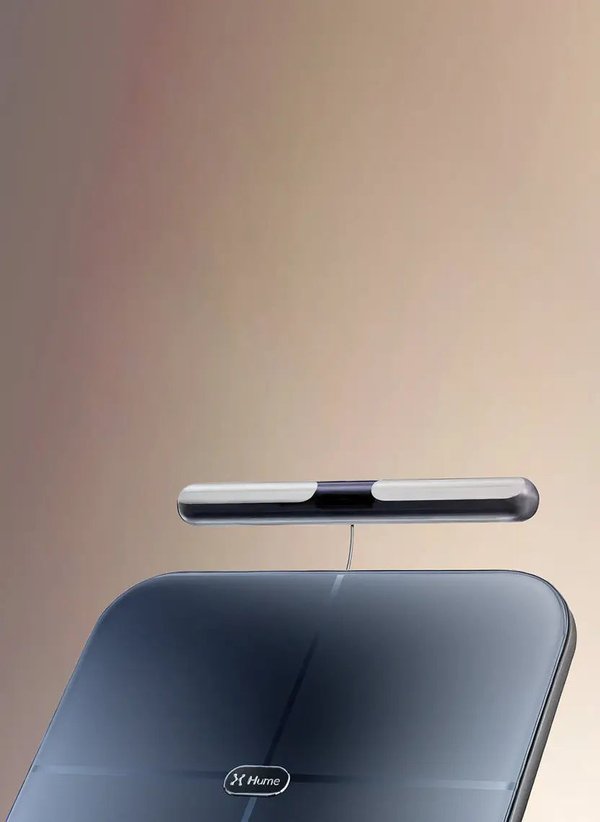
Bathroom scales that only show a single number leave a lot of autumn health goals guessing. Clothes fit differently, training blocks change, and sleep quality drifts—yet many people still decide everything from one weight reading. Home devices that surface richer body-composition or wearable data can make habits easier to review, provided you treat them as personal trackers rather than clinical diagnoses.
Hume Health (humehealth.com) markets at-home health devices and an accompanying app experience, including the Hume Pod body scanner and Hume longevity band products, with public messaging about metabolic health, biomarkers and habit support. This guide is a practical shopping walkthrough for US readers who want clearer personal data at home. It is not medical advice, does not diagnose conditions, and does not invent clinical accuracy claims beyond what the brand publishes.
In this guide:
- Why home health data gets interesting in cooler months
- What Hume Health publishes
- Comparing Pod vs band roles
- Setup, privacy and expectation checks
- A four-week data habit routine
1. Why Home Health Data Gets Interesting in Cooler Months
Shorter days often shrink outdoor activity and increase indoor snacking. That is exactly when a weekly check-in rhythm helps more than a dramatic January reboot. Devices that show trends—muscle versus fat estimates, recovery-oriented wearable metrics, or other biomarkers the product supports—can keep motivation when the mirror feels ambiguous.
Decide the question you want answered first: “Is my training changing composition?” or “Am I sleeping and recovering consistently enough to adjust training load?” Different tools suit different questions.

2. What Hume Health Publishes
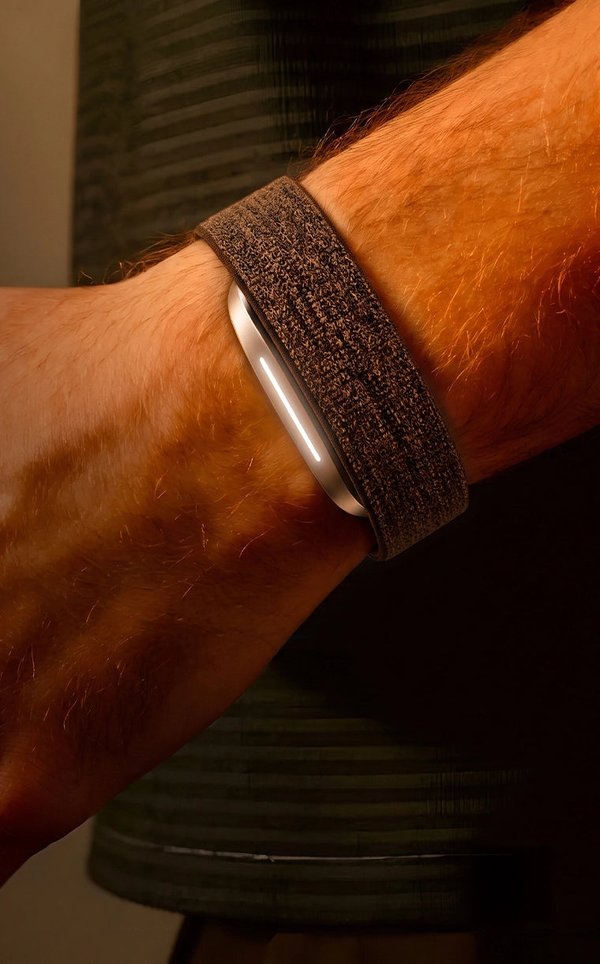
Hume’s public site introduces the Hume Pod as an at-home body scan experience for advanced body insights, and the Hume band line as a longevity-oriented wearable that emphasises biomarker-style data and daily feel. Marketing highlights include athlete and trainer trust signals, a stated 45-day return policy, free worldwide shipping messaging, and large user-count claims. Read return and shipping terms on the live checkout pages before you rely on them.
To compare current kits, visit Hume Health and open the product pages for Pod and band options rather than stopping at homepage slogans.
3. Comparing Pod vs Band Roles
| Tool | Best when you care about… | Practical notes |
|---|---|---|
| Hume Pod | Periodic body-composition style check-ins at home | Needs a consistent weigh-in routine and a flat, stable spot |
| Hume band | Day-to-day wearable signals tied to longevity/habit messaging | Needs comfortable all-day wear and charging discipline |
| App + habits | Turning numbers into weekly decisions | Without a review habit, devices become drawer clutter |
Many shoppers eventually use both roles; start with the one that matches your weakest current feedback loop.
4. Setup, Privacy and Expectation Checks
- Not a doctor. Home devices do not replace clinician care, labs ordered by a professional, or emergency services.
- Surface and timing. For scale-style or scan-style tools, use the same time of day and similar hydration when you compare weeks.
- Accounts. Create the app login with a password manager; enable available multi-factor options.
- Sharing. Decide whether anyone else in the household can see your dashboards.
- Returns. Note the brand’s published return window and keep packaging until you know the device fits your routine.
Ignore social posts that promise miracle body changes from any single gadget. Data is useful when it changes a behaviour you control—sleep window, protein at breakfast, walking minutes—not when it becomes another anxiety feed.
5. A Four-Week Data Habit Routine
Week 1: unbox, update firmware if prompted, complete two familiarisation readings. Week 2: take measurements on three non-consecutive mornings and jot one training or nutrition note each time. Week 3: adjust one lever only (bedtime, steps, or strength sessions). Week 4: review the trend, not a single day, and decide whether the device earned a permanent spot in your routine.
If the numbers never influence a decision, pause subscriptions and accessories until they will.
Keep a simple note of what worked and what felt noisy after your first week with any new purchase. That short review prevents repeating impulse buys when the next campaign banner appears.
Official help pages and product FAQs on the brand site still beat random social comment threads when you need a return window, shipping cut-off or specification clarified.
If you share a household budget, agree who owns the order confirmation email before you checkout so tracking numbers and return labels do not get lost in the wrong inbox.
Seasonal sales can be useful, but only after you have a written use case. A discounted item that never leaves its box is still a full-price mistake in disguise.
When travel is involved, screenshot booking or tracking screens while you still have Wi-Fi. Offline copies reduce stress in terminals, hotels and weak-signal neighbourhoods.
Keep a simple note of what worked and what felt noisy after your first week with any new purchase. That short review prevents repeating impulse buys when the next campaign banner appears.
Official help pages and product FAQs on the brand site still beat random social comment threads when you need a return window, shipping cut-off or specification clarified.
If you share a household budget, agree who owns the order confirmation email before you checkout so tracking numbers and return labels do not get lost in the wrong inbox.
Seasonal sales can be useful, but only after you have a written use case. A discounted item that never leaves its box is still a full-price mistake in disguise.
Conclusion
Hume Health sits in the growing category of at-home body-data tools. Buy it for clearer personal feedback loops, pair it with boring consistent habits, and keep medical decisions with qualified professionals.
Frequently Asked Questions
Is the Hume Pod a medical diagnostic device in this article’s framing?
This article treats it as a consumer wellness/home measurement product based on public marketing. It is not a substitute for clinical care.
Do I need both the Pod and a band?
Not necessarily—start with the gap you feel most: periodic composition check-ins versus all-day wearable signals.
What if I already own a smart scale?
Compare feature pages honestly. Upgrade only if the new data types or workflow clearly beat what you already use weekly.