

Beauty is a concept that has fascinated humankind for centuries. It has been the subject of art, literature, and philosophy, evolving across cultures and generations.
While often associated with physical appearance, true beauty transcends mere aesthetics, encompassing inner qualities that radiate through one’s character and actions. Understanding beauty in its entirety requires a holistic perspective that merges both external charm and internal grace.
The Perception of Beauty
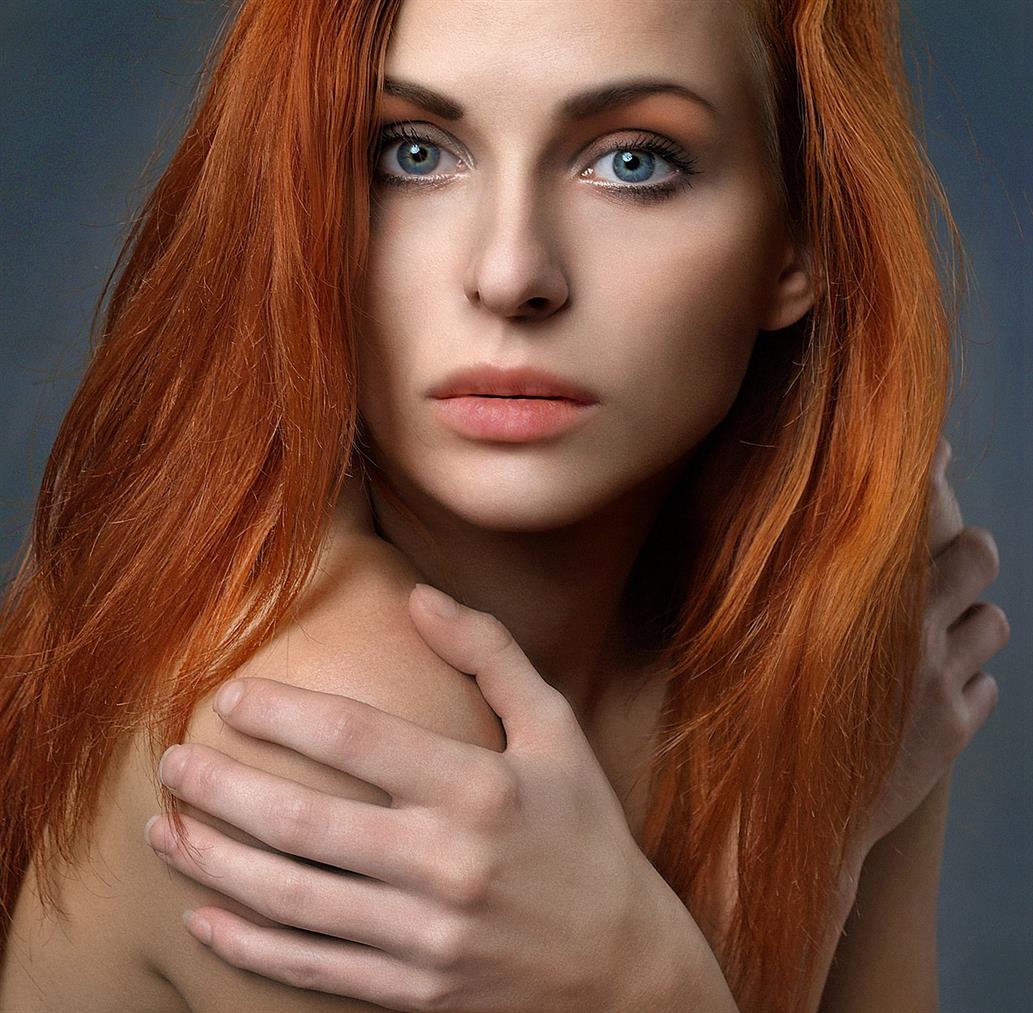
Beauty is subjective and shaped by cultural, societal, and personal influences. Standards of beauty have changed over time, from the Renaissance appreciation of full-figured bodies to the modern admiration of symmetry and proportion. Each culture has unique ideals, proving that beauty is diverse and dynamic.
What one society deems attractive may not align with another’s standards, emphasizing that beauty is not a fixed entity but a fluid concept shaped by perception.
Outer Beauty: The First Impression
Physical beauty often captures initial attention. Facial symmetry, clear skin, and a well-groomed appearance are typically associated with attractiveness. The fashion and cosmetics industries thrive on enhancing physical appeal, providing countless products and treatments to maintain or enhance features. However, physical beauty alone does not define a person’s worth. Though it may create a positive first impression, it is one’s character and actions that leave a lasting impact.
Inner Beauty: The True Essence
Inner beauty is a timeless quality that emanates from kindness, empathy, and confidence. Unlike physical beauty, which may fade over time, inner beauty grows stronger with age. A compassionate heart, a generous spirit, and a genuine smile contribute to a person’s attractiveness far more than external appearances. People are drawn to those who radiate warmth, authenticity, and positive energy, proving that beauty is more than skin deep.
The Science Behind Beauty
Scientific studies suggest that certain elements influence human perception of beauty. Symmetry in facial features, clear skin, and specific body ratios are often linked to health and genetic fitness.
Evolutionary psychology explains that humans are naturally inclined to find these traits attractive as they indicate good health and reproductive success. However, beyond these biological factors, social conditioning and personal experiences play significant roles in shaping what individuals consider beautiful.
The Role of Confidence in Beauty
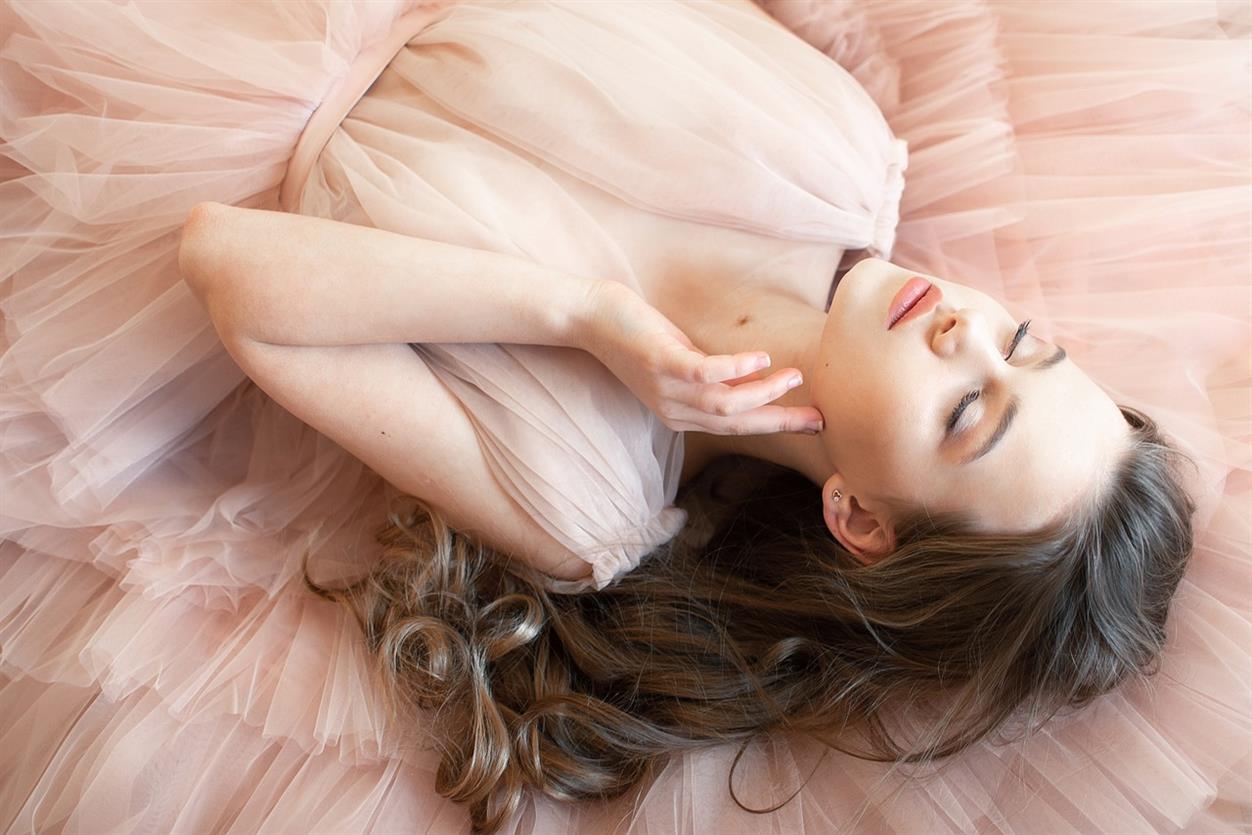
Confidence is an essential component of beauty. A person who believes in themselves exudes an irresistible charm that draws others in. Self-assurance enhances posture, communication, and overall presence, making one more attractive regardless of conventional beauty standards. Confidence allows individuals to embrace their unique features and radiate positivity, reinforcing the idea that beauty is more about self-acceptance than conforming to external ideals.
The Impact of Media on Beauty Standards
The media plays a powerful role in shaping beauty ideals. Magazines, television, and social media platforms constantly portray specific beauty standards, often unrealistic and digitally altered.
This portrayal can create pressure, leading to issues related to self-esteem and body image. However, recent movements advocating for body positivity and inclusivity have begun to challenge these rigid ideals, encouraging people to embrace diverse beauty in all its forms.
Beauty in Simplicity
Often, the most beautiful things in life are the simplest. A breathtaking sunset, a heartfelt laugh, or the sparkle in someone’s eyes when they talk about their passion—all reflect beauty beyond superficiality. True beauty lies in the way people treat others, in the warmth of their words, and in their ability to inspire and uplift those around them.
Redefining Beauty
Beauty is an intricate blend of external allure and inner grace. While physical appearance may be the first thing people notice, it is inner beauty that truly defines a person’s attractiveness.
Confidence, kindness, and authenticity are the real markers of beauty, proving that it is not just about how one looks but about how one makes others feel. By embracing a broader and more inclusive definition of beauty, society can foster a healthier appreciation of self-worth and individuality.